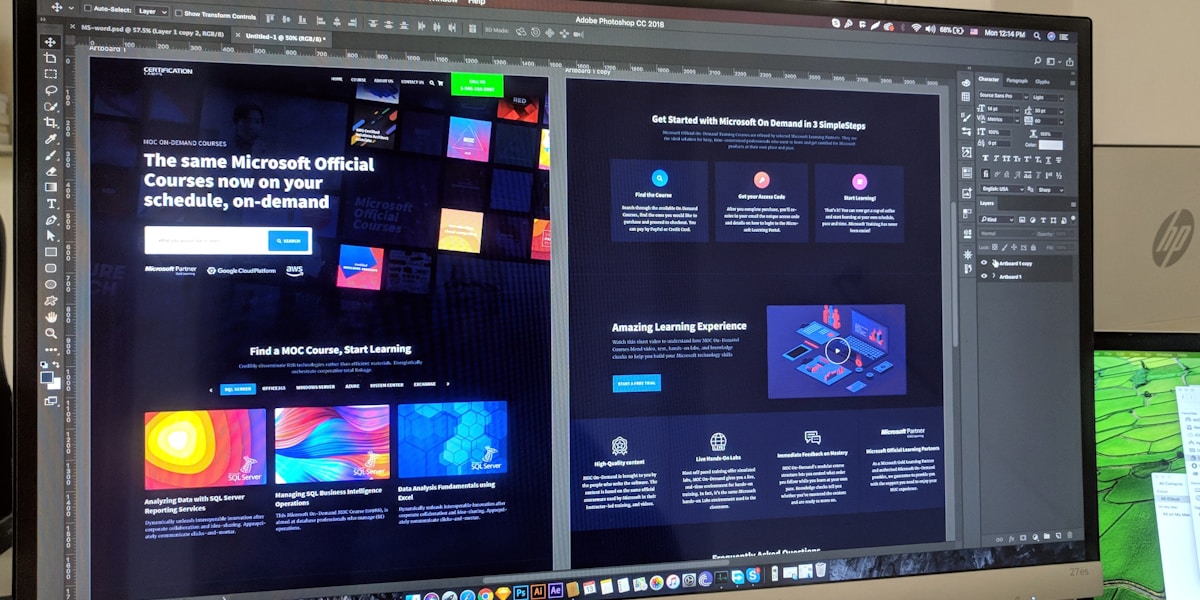
In today's hyper-competitive digital landscape, the difference between a thriving business and one that struggles often comes down to one critical factor: user experience. User Interface (UI) and User Experien ce (UX) design have evolved from nice-to-have aesthetic considerations into fu ndamental business imperatives that directly impact your bottom line. At Gosot ek, we've witnessed firsthand how strategic UI/UX design transformations can c atapult businesses ahead of their competitors, turning casual visitors into lo yal customers and driving sustainable growth.
First Impressions Happen in Milliseconds
Research shows that users form an opinion about your we bsite within 50 milliseconds—that's faster than the blink of an eye. In this s plit second, visitors decide whether to stay and explore or bounce to a compet itor. A polished, intuitive interface immediately communicates professionalism , trustworthiness, and credibility. Poor design, on the other hand, suggests n egligence and can permanently damage your brand reputation before you've had a chance to present your value proposition.
The stakes are even higher on mobile devices, where screen real estate is limited and user patience is at it s lowest. A cluttered, confusing mobile experience doesn't just frustrate user s—it actively drives them away. With mobile traffic now dominating web usage w orldwide, businesses cannot afford to treat mobile UX as an afterthought. Ever y element, from button placement to navigation flow, must be optimized for tou ch interactions and smaller screens.
Good UX Directly Impacts Your Bott om Line
The connection between UX design and business metrics is undeni able. According to industry research, every dollar invested in UX yields a ret urn between $2 and $100. This remarkable ROI stems from multiple factors:
< ul>Consider the checkout process—a critical conversion point fo r e-commerce businesses. Even minor UX improvements, such as reducing form fie lds, offering guest checkout options, or displaying progress indicators, can i ncrease conversion rates by 20-30%. These aren't just abstract design principl es; they're revenue-generating strategies.
Customer Retention Through E xceptional Experiences
Acquiring a new customer costs five to twenty-fi ve times more than retaining an existing one. This is where UX design proves i ts long-term value. A well-designed product or service creates positive emotio nal associations with your brand, encouraging repeat business and fostering lo yalty.
Think about the apps and websites you use daily. Chances are, the y share common characteristics: intuitive navigation, fast load times, persona lized experiences, and consistent visual language. These aren't accidental fea tures—they're the result of deliberate UX decisions that prioritize user needs and expectations. When customers enjoy using your digital products, they retur n more frequently, spend more time engaged with your content, and develop stro nger brand affinity.
The Role of Personalization
Modern UX exten ds beyond usability into personalization—anticipating user needs and deliverin g tailored experiences. From Netflix's recommendation algorithms to Spotify's curated playlists, the most successful digital products make users feel unders tood. Implementing personalization features requires sophisticated UX strategy , but the payoff in engagement and retention is substantial.
Gaining Co mpetitive Advantage
In saturated markets, product features and pricing often reach parity among competitors. When functional differences minimize, us er experience becomes the primary differentiator. Companies that prioritize UX consistently outperform their competitors in customer satisfaction, market sha re, and profitability.
Take the banking industry as an example. Traditio nal banks with clunky, outdated digital interfaces are losing ground to fintec h startups that offer seamless, user-friendly mobile experiences. The product— managing money—remains essentially the same, but the experience of interacting with it has been revolutionized. This pattern repeats across industries: insur ance, healthcare, education, and professional services.
Accessibility: UX for Everyone
Accessibility isn't just a regulatory requirement—it's a business opportunity and an ethical imperative. Approximately 15% of the glo bal population lives with some form of disability. By designing accessible int erfaces, you expand your market reach while demonstrating corporate social res ponsibility.
Accessible design principles—sufficient color contrast, key board navigation, screen reader compatibility, and clear typography—benefit al l users, not just those with disabilities. Captions on videos help users in no isy environments. High contrast text is easier to read in bright sunlight. The se inclusive design choices create better experiences for everyone while openi ng your business to previously underserved customer segments.
Conclusio n
UI/UX design is no longer confined to the realm of creative departmen ts—it's a strategic business function with measurable impact on revenue, custo mer loyalty, and competitive positioning. Organizations that recognize this re ality and invest accordingly position themselves for sustained success in an i ncreasingly digital world.
At Gosotek, we partner with businesses to cre ate digital experiences that delight users and drive results. Whether you're l aunching a new product, redesigning an existing platform, or seeking to optimi ze conversion rates, prioritizing UI/UX design is one of the smartest investme nts you can make. In the digital economy, great user experience isn't just goo d design—it's good business.